In a Scottish Football Stories guest article, Ipswich Town fan Matt Tomiak reflects on the Scots who have crossed the border and made an impact at his club.
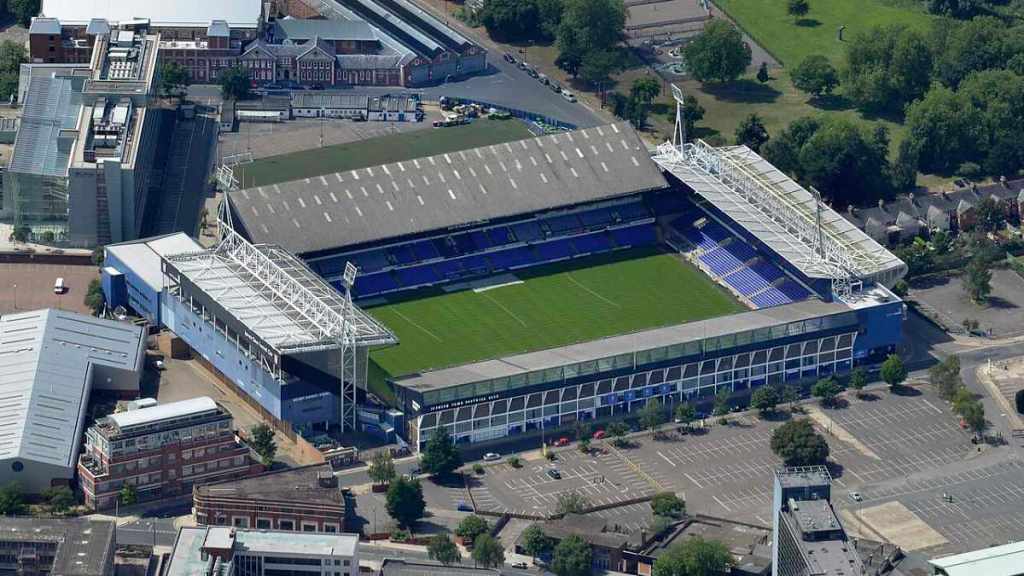
The accomplishments of two eventual England national team managers, Sirs Alf Ramsey and Bobby Robson, at club level with Ipswich Town are undoubtedly well-documented. Statues of the distinguished pair have proudly stood outside the club’s Portman Road ground since the turn of the century. But whilst the contributions of those who hail from the other side of the Anglo-Scottish border to the Suffolk club are perhaps less widely celebrated, their legacy is certainly worth considering too.
Ramsey was, of course, England’s World Cup winning manager in 1966 and Town’s third permanent boss from 1955 to 1963. He famously presided over Ipswich’s spectacular ascent from the Third Division South to First Division champions in well under a decade. Robson, who led England to the World Cup semi-finals in 1990, oversaw the Blues from 1969 until 1982, leading the club to notable FA Cup and UEFA Cup wins in 1978 and 1981 respectively. Whilst both men’s subsequent exploits whilst in charge of the Three Lions are renowned, Scotland has also served as a significant incubator for Ipswich over the club’s eventful history.
Scots making an impact
North Lanarkshire-born outside-right Ambrose ‘Jock’ Mulraney scored Town’s first-ever hat trick in the Football League against Bristol City in 1939, whilst Aberdonian Ken Malcolm moved from Arbroath in 1954 to notch up almost 300 appearances during the Ramsey era. Starting at Cowdenbeath and then St Mirren, winger Jimmy Robertson had the distinction of featuring for both Tottenham and Arsenal before a move to East Anglia during Robson’s tenure. Max Marquis’s entertaining 1970 biography ‘Sir Alf Ramsey: Anatomy of a Football Manager’ pays lavish tribute to Edinburgh native Jimmy Leadbetter, a “slightly-built Scot who looked anything but a potential First Division footballer, jocularly described in one paper as looking like Steptoe’s illegitimate father”, but who nevertheless excelled as the midfield fulcrum of Ramsey’s 1961-62 First Division winning side.
John Wark’s ‘remarkable longevity’
Probably the two most recognisable names in terms of Scottish imports at Town are John Wark and George Burley. Wark, a Glaswegian who enjoyed three separate spells at the club spanning almost two decades, scored 179 goals for Ipswich in a career defined by a remarkable longevity. A reliable penalty taker, as of spring 2026 Wark still remains the club’s third-highest Premier League scorer, recording 15 goals between 1992 and 1995.
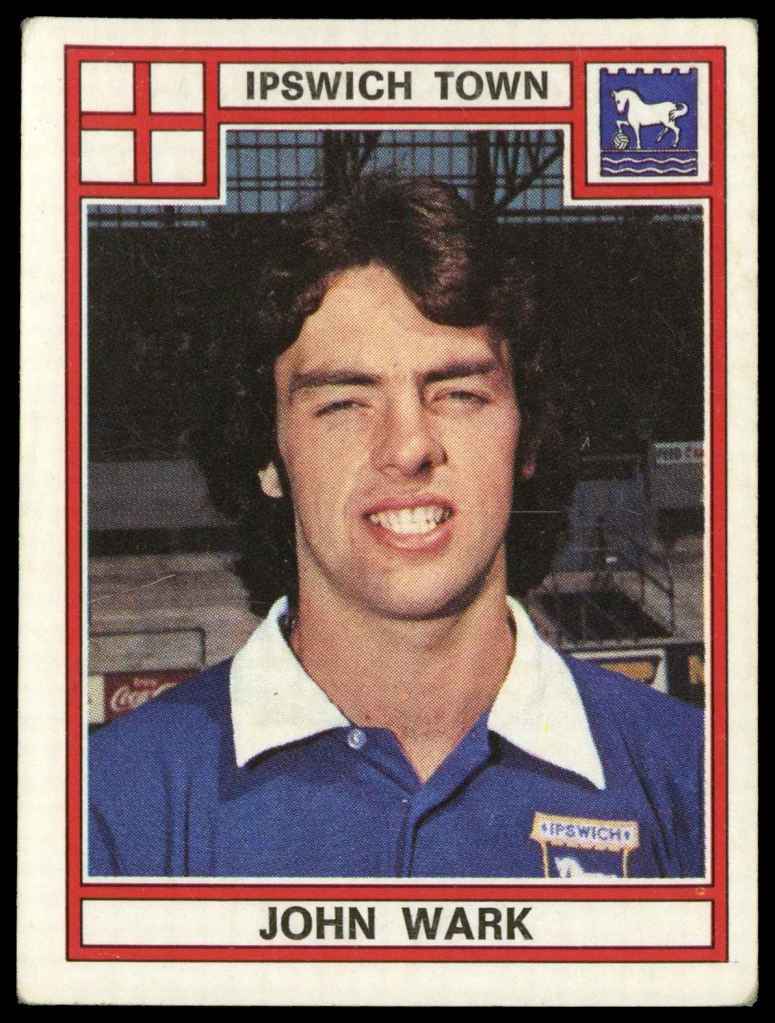
Named PFA Player of the Year at the end of that historic 1980/81 campaign, Wark’s numbers during that season remain startling, as he netted 36 goals in 64 games – an astonishing total for any forward, let alone a midfielder – as the side claimed UEFA Cup glory and finished second in the league.
George Burley: ‘a proto-Guardiola idealist’
Burley, born in East Ayrshire, made precisely 500 first team appearances for Ipswich and earned 11 Scotland caps, the same number of matches his compatriot Alan Brazil also made for his country whilst serving at Portman Road. Burley returned as manager midway through 1994/95, replacing John Lyall during a punishing stretch with the team languishing at the foot of the top division. The former defender presided over the infamous 9-0 defeat against Manchester United at Old Trafford – Wark, at the time approaching his 40th birthday, featured as part of the hapless Ipswich backline that day.
Burley attempted to impose his authority by dropping £1m signing Steve Sedgley from the lineup before a derby clash with Norwich City, but the team lost 14 of their last 20 games, with forward Ian Marshall’s goal against Arsenal in April ending a gruelling goal drought of 675 minutes. Despite relegation that year, Burley would go on to oversee a sustained late 90s revitalisation, including four successive top six finishes in the second tier, although these would often ultimately culminate in disappointment: the Tractor Boys have, to date, recorded more semi-final Football League Play-Off defeats than any other team. A folkloric 5-0 win over Norwich in 1998 included a first-half hat trick from Bathgate-born striker Alex Mathie, and Burley finally achieving promotion in 2000.
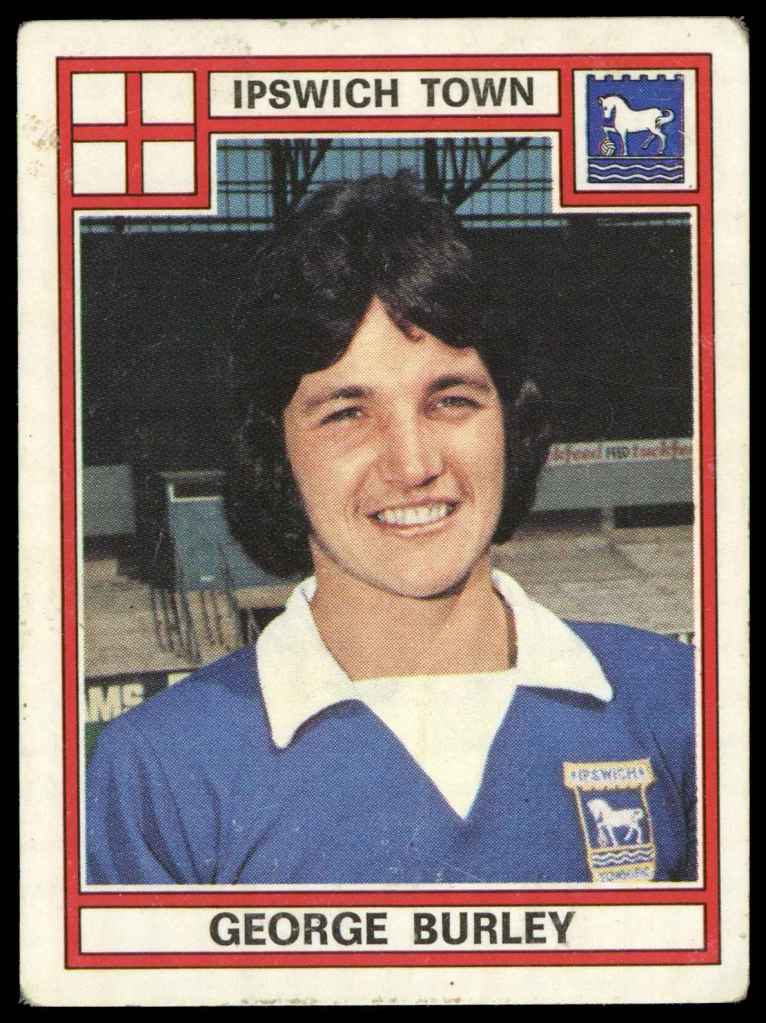
In his 2024 memoir Last Boy of ’66, England World Cup hero Geoff Hurst describes how “as a club manager at Ipswich, (Ramsey) was astute in recruiting a team that could overcome more talented sides. Alf’s Ipswich team were pragmatists who made themselves hard to beat.” In stark contrast, Burley is likened to a proto-Guardiola idealist by Dutch full-back Fabian Wilnis in his autobiography. After achieving promotion back to the big time, Wilnis emphasises how Burley wanted the squad to “maintain our footballing principles. He wanted us to keep the ball down and be regarded as a decent, passing side.” The team paid heed and finished fifth as Burley was named LMA Manager of the Year, although some expensive signings destabilised the team and relegation followed the next season. Burley’s tenure ended in October 2002 after a woeful 3-0 defeat at Grimsby, less than 18 months after he had been garlanded as the toast of the top flight. A brief, eventful period in charge of Hearts would follow, before he took charge of Scotland in January 2008.
So whilst those iconic statues of Sir Bobby and Sir Alf continue to serve as reminders of a distinguished past, Town’s Caledonian contingent has proved significant over the years.
Thanks to Matt Tomiak for the guest article.

